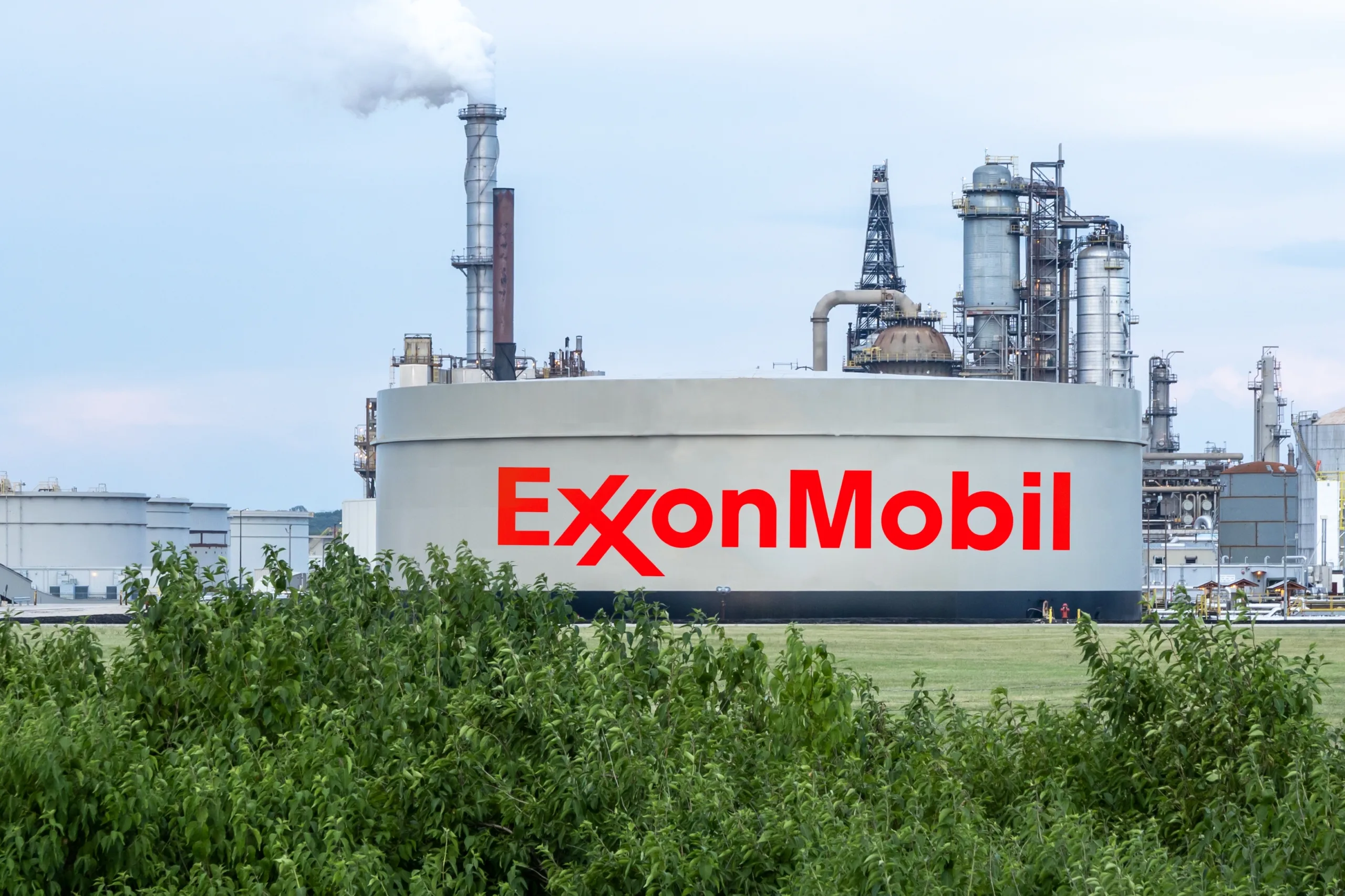
ExxonMobil is making a comeback in Iraq’s oil sector after a two-year absence, signing a preliminary agreement with Baghdad that could pave the way for developing one of the country’s largest oil fields.
The Iraqi prime minister’s office confirmed on Wednesday that the oil ministry had signed a heads of agreement (HoA) with the US energy giant. Prime Minister Shia Al-Sudani, who attended the ceremony, called the deal “an important step for the future of Iraq’s oil sector and for strengthening economic relations with the United States.”
Sudani underscored his government’s determination to work with leading international companies, “particularly American ones,” to develop strategic fields such as Majnoon in Basra. Details of the agreement remain undisclosed, and officials cautioned that a final deal could take time.
A source in Iraq’s oil ministry told AFP that the HoA is intended to facilitate development of the Majnoon oil field, which has been operated by a state-owned company since Shell’s withdrawal in 2017. ExxonMobil itself had exited Iraq in 2024 after leaving the West Qurna 1 field due to weak returns, which was later taken over by a Chinese operator.
The prime minister highlighted ExxonMobil’s potential role in modernising Iraq’s oil export infrastructure, diversifying export routes, and deploying advanced production technologies to increase output. Meanwhile, Iraq’s State Oil Marketing Organisation is reportedly in talks with the company to secure storage capacity in Singapore, according to INA news agency.
Iraq, a founding member of OPEC, relies on crude oil for 90% of its revenues. Current exports average 3.4 million barrels per day, underscoring the centrality of the sector to its economy and foreign relations.