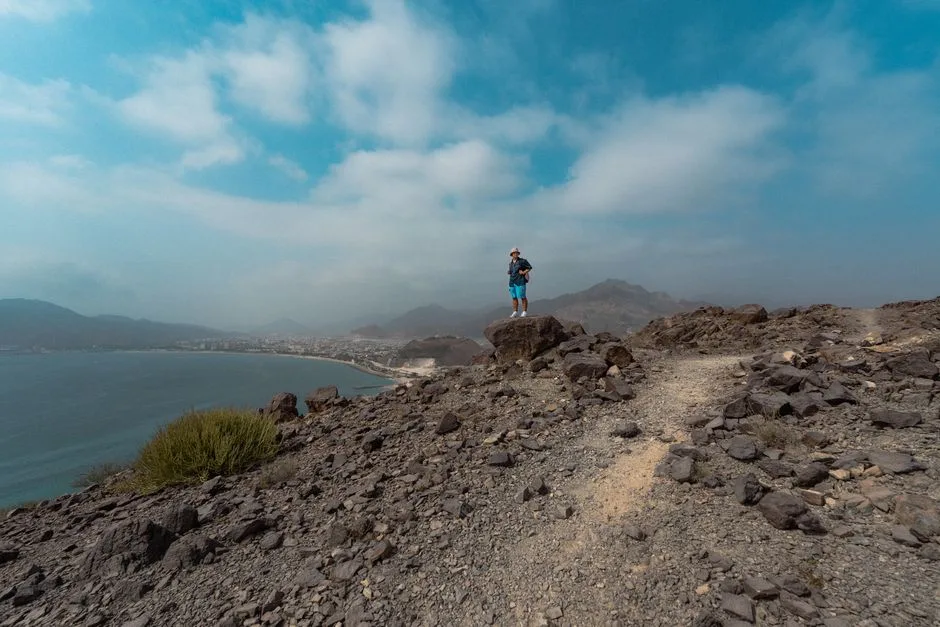
Nestled in the northernmost corner of the United Arab Emirates, Ras Al Khaimah (RAK) stands apart from its glitzy neighbors with a rugged natural charm defined by its dramatic mountain landscapes. The emirate’s towering peaks, part of the ancient Hajar Mountain range, offer a breathtaking contrast to the golden deserts and azure coastlines that surround them.
The Hajar Mountains: UAE’s Rugged Backbone
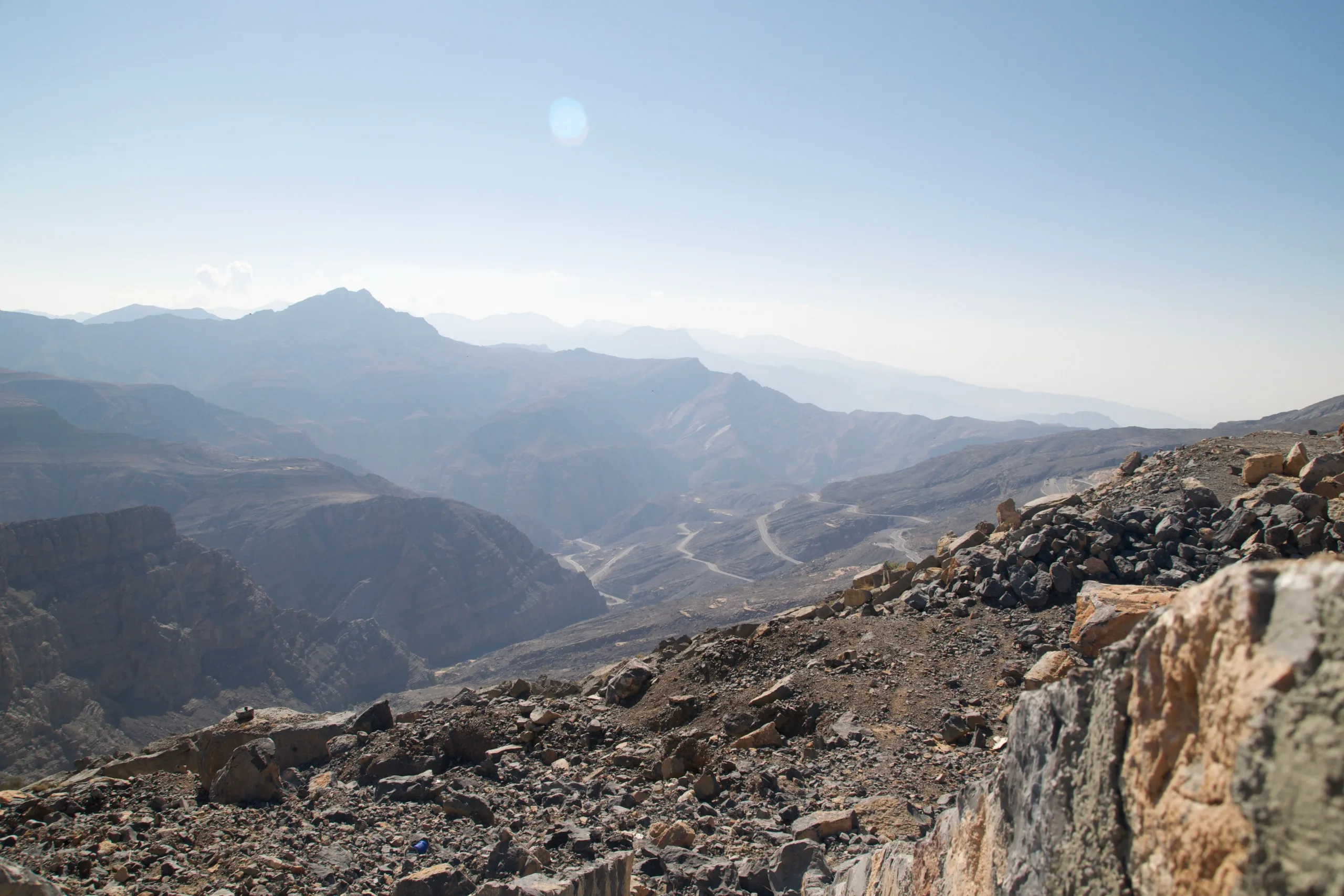
Stretching from Oman into the UAE, the Hajar Mountains are among the oldest in the region — formed over 70 million years ago. In RAK, they dominate the landscape, their jagged peaks cutting through the horizon. The crown jewel of this range is Jebel Jais, the highest peak in the UAE, soaring to 1,934 meters above sea level.
Jebel Jais has become synonymous with adventure and exploration. Its winding roads — among the most scenic drives in the Middle East — reveal panoramic views at every turn, with temperatures often 10°C cooler than the coastal plains below. The mountain’s unique climate and terrain have made it a year-round destination for nature lovers, hikers, and thrill-seekers alike.
Adventure and Discovery
Ras Al Khaimah has positioned itself as the adventure capital of the UAE, and the mountains play a starring role. Jebel Jais Flight, the world’s longest zipline, stretches nearly 3 kilometers across deep valleys, offering an adrenaline rush like no other. Mountain biking trails, rock-climbing routes, and guided hiking experiences cater to explorers of all levels.
For those who prefer a slower pace, the Jais Viewing Deck Park provides breathtaking vistas, while the Bear Grylls Explorers Camp offers survival skills training in the rugged wilderness. In winter, the mountain peaks sometimes witness rare frost and even light snowfall — a magical sight in the Arabian Peninsula.
Cultural and Natural Heritage
Beyond adventure, the mountains of RAK are steeped in history. Ancient wadis like Wadi Shaam and Wadi Bih hold archaeological treasures — remnants of Bronze Age settlements, petroglyphs, and stone tombs that whisper stories of early desert civilizations. Bedouin communities once used these mountains as trade routes and grazing lands, leaving behind a legacy of resilience and adaptation.
Flora and fauna thrive in this environment too. Hardy shrubs, wild goats, and desert foxes dot the rocky landscape, while springtime brings an unexpected burst of color with wildflowers carpeting the valleys.
A Destination for the Future
Ras Al Khaimah’s government is investing heavily in sustainable mountain tourism. Eco-lodges, glamping retreats, and adventure infrastructure aim to balance preservation with progress, ensuring visitors can experience the mountains’ raw beauty responsibly.
Whether you’re chasing the thrill of flight over deep canyons, tracing the footsteps of ancient tribes, or simply watching the sunset paint the cliffs in shades of gold and violet — the mountains of RAK offer a perspective that transcends the desert’s horizon.
They remind us that the UAE is not just a land of skyscrapers and sand dunes, but also of mountains — timeless, silent, and awe-inspiring.