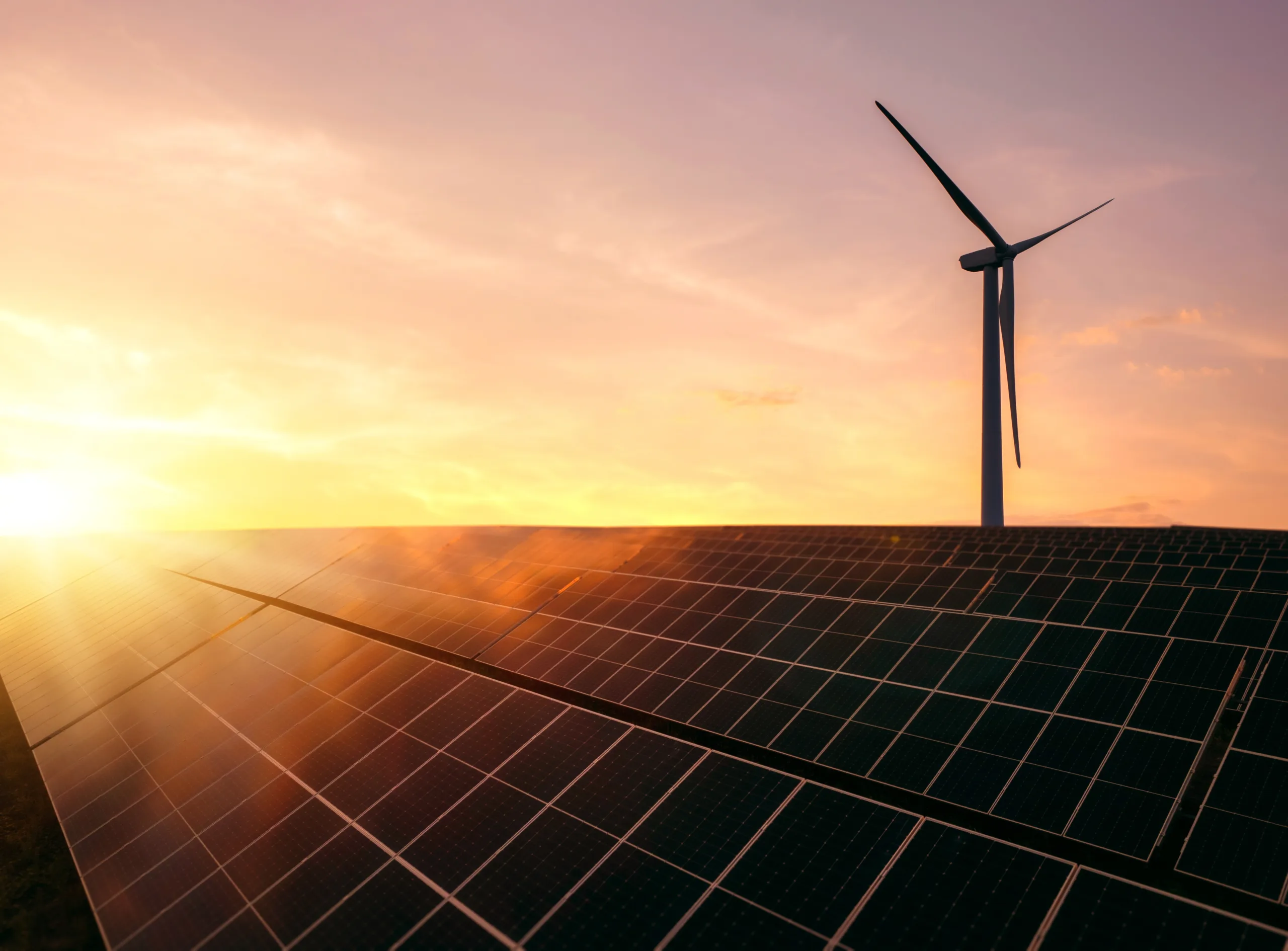
Egypt aims to lift the share of renewable energy in its power mix to nearly 42% by 2030 and 65% by 2040 but faces financing shortfalls and other obstacles that could slow progress, the country’s electricity and renewable energy minister Mahmoud Esmat said.
Speaking at a utilities conference in Cairo, Esmat said the government has taken steps to improve investment laws for electricity and hydrogen projects, while also advancing measures to raise efficiency and curb consumption. He said new legislation targets an 18% reduction in electricity use by 2040 and seeks to encourage private capital to participate more deeply in the sector.
Esmat described the transition as capital- and skills-intensive, underscoring the need for long-duration funding, technology transfer and the training of national cadres to operate and maintain advanced systems. He said Egypt’s strategy is to position itself as a leader in a low-carbon hydrogen economy and that incentive packages for green hydrogen projects have been introduced to draw developers and financiers.
Egypt’s plans come as the Middle East and North Africa region accelerates investments in wind, solar and emerging hydrogen value chains, with several Gulf developers and international utilities active across North African markets. Cairo is seeking to turn its geography, existing industrial base and access to the Suez Canal into an advantage for clean-energy exports, including potential shipments to Europe.
In 2024, Husam Haiba, chief executive of the General Authority for Investment and Free Zones, said Egypt is banking on large-scale projects to become a major green hydrogen producer and aims to secure about 8% of the world market by 2040, with Japan expected to play a key funding role, according to Arabian Gulf Business Insight. He also said Egypt seeks to become a significant exporter of renewable energy to Europe, helped by planned grid interconnections and private