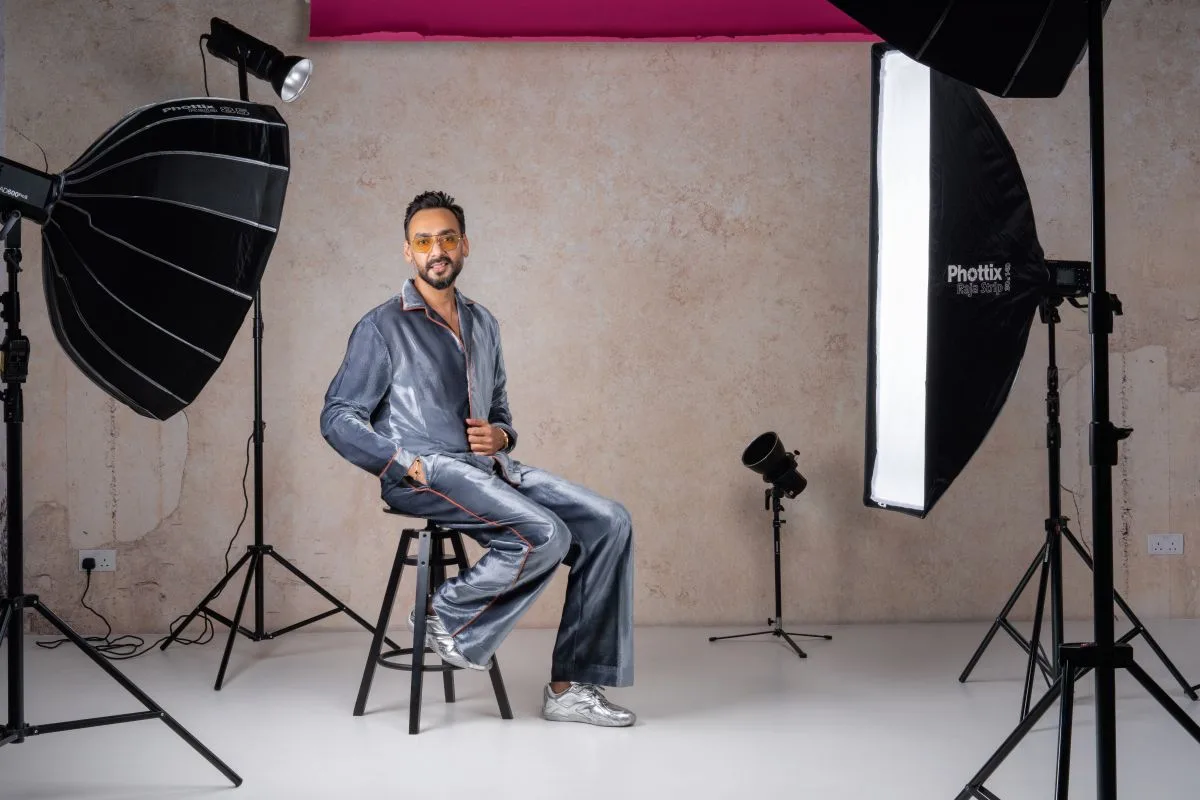
Dyuti Parruck dresses with the kind of ease that only comes from discipline. His wardrobe is built on sharp tailoring, exact proportions and an understanding of how clothes move on the body. In a region where menswear often veers between the extravagant and the cautious, he sits in the rare middle ground. He is refined without being rigid, expressive without being loud. This shoot presents him not simply as a well-dressed man, but as someone who knows why something works and how to make it work for someone else. What follows is his take on the real questions men ask, the ones whispered before events, texted to friends or muttered in front of changing-room mirrors. These are Dyuti’s answers, shaped by years of setting the golden standard of style.
I’m too tall for most ready-to-wear. Every shirt is short in the sleeve, every blazer looks like it’s borrowed. What do I do without turning my life into a full tailoring schedule? Height is an advantage, but only when you learn to manage the lines. The mistake tall men often make is assuming they need longer clothes. What they actually need is better proportion. A blazer that finishes a touch higher on the hip brings balance. Wider lapels anchor the upper body. A trouser with a gentle taper and a clean hem stops the silhouette from looking elongated. Most men think the key is more fabric. In reality, it is about the right fabric placed in the right areas.
Dubai is full of good alterations tailors and you do not need a bespoke wardrobe to look sharp. Buy pieces that fit you in the hardest areas, which for tall men are usually the shoulders and the rise of the trouser. Everything else can be adjusted. Ask for sleeve extensions using the reserve inside the cuff.
“If you want more impact, shift from black. Under Dubai’s lighting, midnight blue reads richer and photographs beautifully.”
Dyuti Parruck
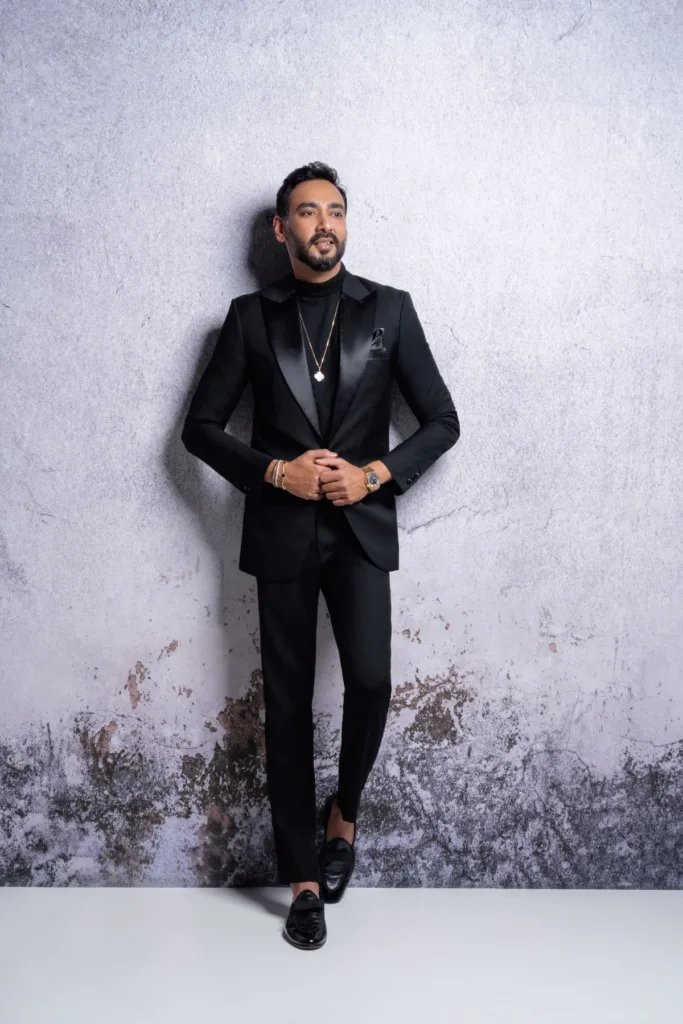
Have the jacket waist shaped so the torso doesn’t read as one long column. When you fine-tune the architecture, the height becomes an asset. The room notices you for the right reasons.
My eveningwear feels boring. I have one black suit, one pair of black shoes and a rotation of shirts. How do I look interesting without becoming the man who tries too hard? Eveningwear rewards subtlety. That is why it often looks so unforgiving. The men who look extraordinary in a dinner suit are never the ones drowning in accessories or wearing satin so shiny it reflects the chandelier. They are the ones who use restraint with intent. Start with your suit. If it is black and serviceable but flat, upgrade the textures around it. A shirt in a fine herringbone, a tie with a slight matte finish, a pocket square that shows only a sliver of color. These are small moves that add depth just by catching low light differently.
If you want more impact, shift from black to midnight blue. Under Dubai’s lighting, midnight blue reads richer and photographs beautifully. Swap the usual black oxford for a grosgrain-trimmed slipper or a velvet loafer. Keep jewellery simple. A single piece, ideally with a story, does more than a handful of shiny distractions. Eveningwear is not about louder choices. It is about considered ones.
Weekend dressing is my downfall. I spend the week looking immaculate, then fall apart the moment Friday arrives. How do I stay sharp without looking like I have turned up for brunch in office attire?
Weekend style lives or dies on fabric. Workwear is structured. Off-duty dressing is tactile. Once you switch your mindset from tailoring to texture, everything becomes easier. Choose linen with body rather than linen that collapses. Wear cotton knit polos that drape cleanly instead of thin T-shirts that exaggerate every crease. Pick swim shorts in a proper tailored rise so the proportions match the rest of your wardrobe.
The key to weekends in the Gulf is neutral color. Stone, sand, olive and navy look intentional even when the silhouette is relaxed. Moroccan and Levantine influences are subtle but present in the region’s weekend codes. Slight embroidery, relaxed collared shirts, loose cotton trousers and leather sandals bring a quiet cultural fluency that looks appropriate rather than performative. The trick is never to look like you are trying to recreate your weekday self. You are editing it.
I keep buying new things and still feel like I have nothing to wear. What am I doing wrong?
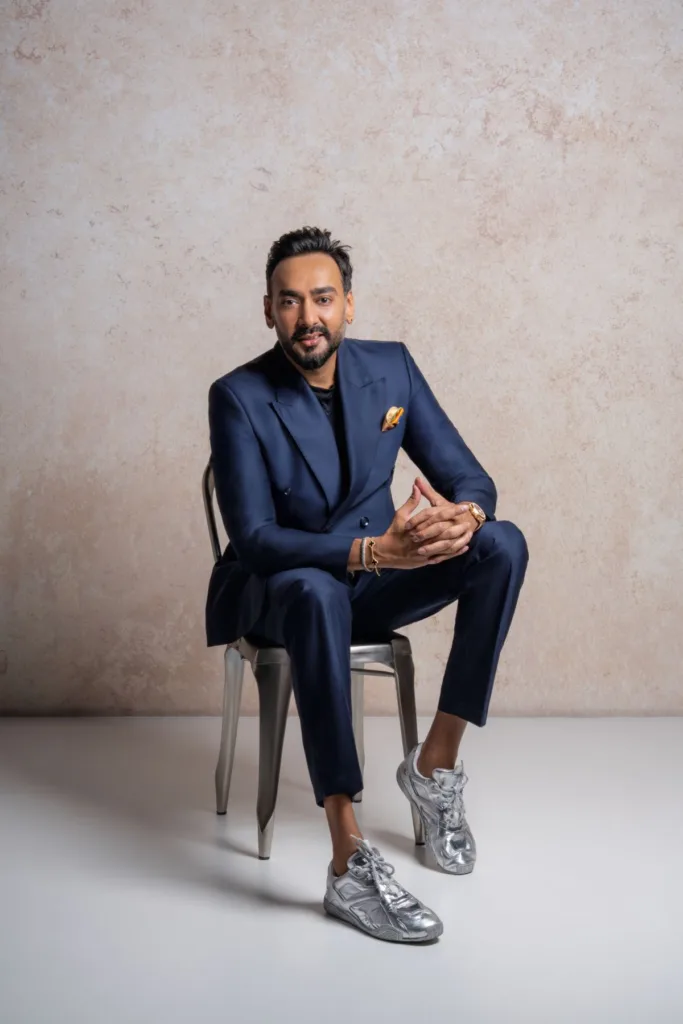
Most men shop reactively, not strategically. They buy a new jacket because an event is coming up or a new pair of shoes because everyone else is wearing them. Over time this creates a wardrobe without a core. Before you buy anything, identify your anchors. These are the pieces that shape everything else. In my case, it is a navy blazer, two sharply cut shirts in white and pale blue, a pair of tailored trousers that work with trainers and loafers, and a well-made leather belt.
When the anchors are right, the rest becomes interchangeable. Build small capsules rather than large collections. Three shirts, three trousers, two jackets, two pairs of shoes. Everything should work with everything else. It is better to rotate ten excellent outfits than thirty mediocre ones. The Middle East offers a unique advantage here. The climate encourages investment in lighter fabrics. A high-twist wool or a breathable cotton is worth more than a cupboard of synthetic blends that collapse after one wear.
I’m invited to a very stylish event and I am terrified of looking under or overdressed. How do I land in the middle?
Dress codes in Dubai are generous, but not limitless. When in doubt, choose the smarter option and simplify it. A tailored shirt with trousers and loafers can outshine an over-designed outfit any day. The key is to look as if you understand the spirit of the event rather than the exact memo. If the crowd skews more expressive, keep your base sharp and experiment with one piece such as a textured jacket or a subtle print. If the event is a formal setting, lean into elegance. Soft cream, muted navy and well-cut tailoring will always travel.
Do not overstyle. Remove one thing before you leave the house. Confidence rarely comes from adding more. It comes from knowing when you have done enough.
Dyuti’s approach to style is not about perfection. It is about consistency. A great wardrobe, as he proves in the shoot, is built on clarity. Understand proportion. Respect fabric. Edit well. Dress for the life you actually lead rather than the one you imagine. The golden standard is not about being the best dressed man in the room. It is about being the one who looks entirely himself, no matter the setting.