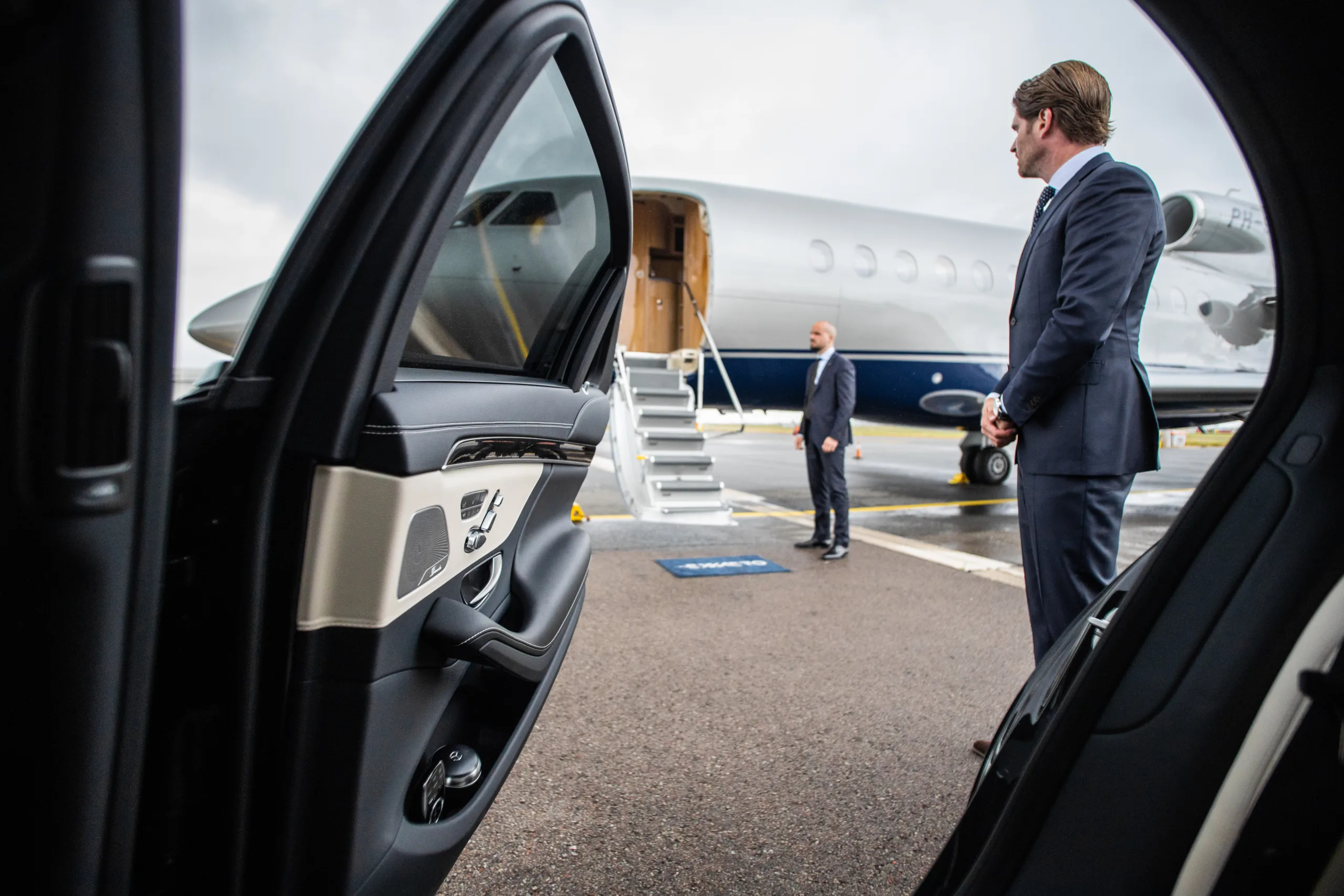
Ultra-high-net-worth individuals are redesigning travel around the concept of micro-optimisation, treating mobility as a strategic performance tool rather than a background necessity, according to Taylor Travel Management Group.
The approach focuses on marginal gains across time management, energy preservation, and decision-making capacity. Travel, previously handled as logistics, is now being integrated into personal performance systems by senior executives, family principals, and board-level leaders.
“We’re seeing a clear shift among senior leaders and ultra-high-net-worth individuals. Travel is no longer a background task, it’s recognised as part of their performance system. By removing friction from how they move, leaders are protecting their time, their focus, and ultimately their decision-making ability. In 2026, efficiency is not about doing more, but about designing better systems around how you operate,” Francisco Martí Ramos, Founder and Partner at Taylor Travel Management Group said in a statement.
High-Net-Worth Individuals outsource mobility to preserve decision-making capacity
The company reports that clients are outsourcing mobility management to specialists to reduce cognitive load and preserve mental bandwidth for strategy, leadership, and growth decisions.
For UHNWI clients, five percent gains in efficiency can translate into sharper thinking and better outcomes, Taylor Travel Management Group observes. Clients are working with single, accountable travel partners who manage details proactively and discreetly, allowing them to remain productive rather than distracted by operations.
Travel patterns for ultra-high-net-worth individuals rarely follow linear routes. Board meetings, residences, events, and government engagements often overlap across cities and countries. Clients are opting for managed mobility ecosystems that adapt in real time as plans shift, ensuring continuity, privacy, and reliability.
The definition of luxury has shifted from visibility to consistency, discretion, and ease. Vehicles serve as extensions of home and office environments: secure, maintained, and tailored to preferences. Chauffeurs are trained in etiquette, discretion, safety, and execution.
Clients are moving away from long-term arrangements such as full-time drivers toward on-demand, concierge-level chauffeur services. This model provides reliability while allowing clients to scale based on need across cities, seasons, and continents.
Personalised travel systems replace traditional luxury for global business leaders
Travel is being tailored around work rhythms, preferences, security requirements, and expectations. Travel management companies are being viewed as operational partners integrated into systems that support performance.
Taylor Travel Management Group was founded in 2020 through the merger of two Amsterdam ventures. The company operates from headquarters in Amsterdam and Dubai, with presence in more than 100 cities.
The company has managed operations including 100 vehicles for a jewellery brand event in Abu Dhabi and multi-country travel logistics for a presidential family, including jets, security, and ground transportation. Clients include Rosewood Hotels, Microsoft, and the Rockefeller network.
Services include executive chauffeur solutions, security services, jet and yacht charters, helicopter transfers, and airport meet-and-greet. The company operates a fleet of 35 vehicles and works with selected partners.
The company was created to address what it identified as a gap in personalised, human-first chauffeur services on a global scale, positioning itself against automated platforms and booking systems.