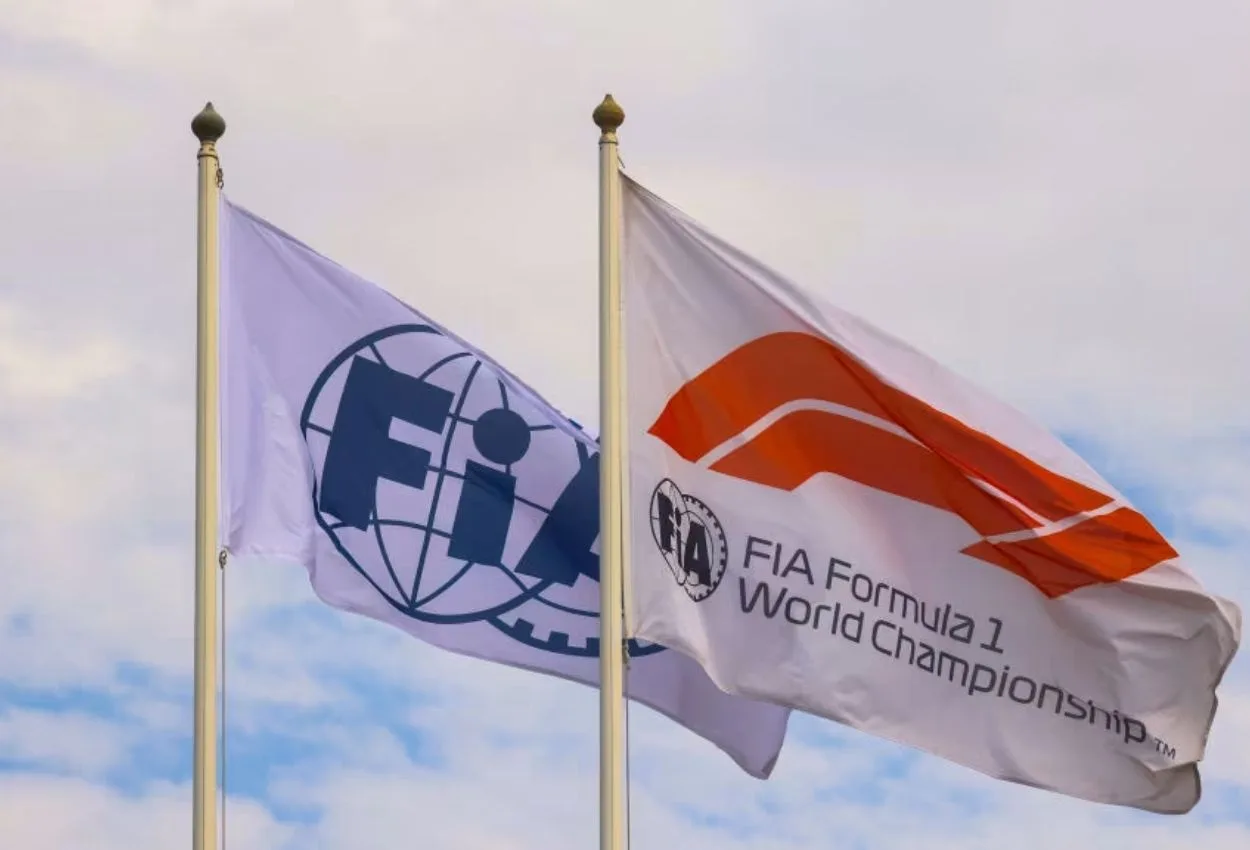
The FIA has reached unanimous agreement with Formula One Management, teams and power unit manufacturers on a framework to bring V8 engines back to Formula 1 from 2030. The governing body announced the agreement on November 21, with regulatory changes still subject to World Motor Sport Council approval.
The proposal centres on a 2.1 litre turbocharged V8 with limited hybridisation. The FIA said its aim is to make power units less complex, lighter and cheaper than the current units, while retaining relevant and sustainable technology.
A definitive 2030 regulatory framework is due to go before the World Motor Sport Council at its meeting in Shanghai next month. The agreement between the sport’s stakeholders is therefore a step towards the change, rather than final regulatory approval.
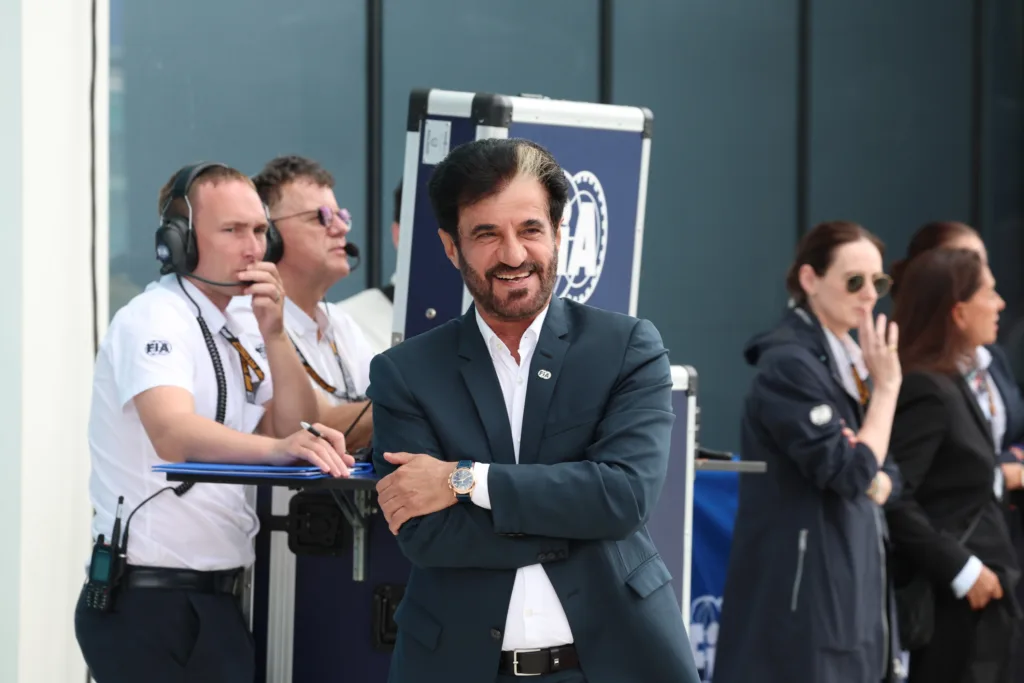
FIA President Mohammed Ben Sulayem said on November 22 that the proposed return was part of his ambition to make the championship more competitive and exciting for fans while maintaining its focus on innovation and sustainability.
“This agreement marks a significant milestone in shaping the future of Formula 1. From the outset I have been clear in my ambition to deliver a sport that is more competitive and more exciting for our fans, while remaining at the forefront of innovation and sustainability. The return of V8 engines represents an opportunity to reconnect with the DNA of this Championship, bringing back the sound, emotion and pure racing that is loved worldwide. Our vision is clear, lighter, simpler and more affordable cars that put driver skill at the heart of the competition. I want to thank all involved for their collaboration. This is an important step forward, and demonstrates what we can achieve when we work together to deliver the best possible future for our sport,” Sulayem said in a statement.
The chassis is also part of the plan. The FIA intends to pair the V8 power unit with a lighter, more agile car, designed to encourage closer racing and place greater emphasis on driver skill.
The governing body said the proposed engine would carry over some geometrical specifications. Its stated objectives also include encouraging more attacking racing and producing a sound that appeals to fans.