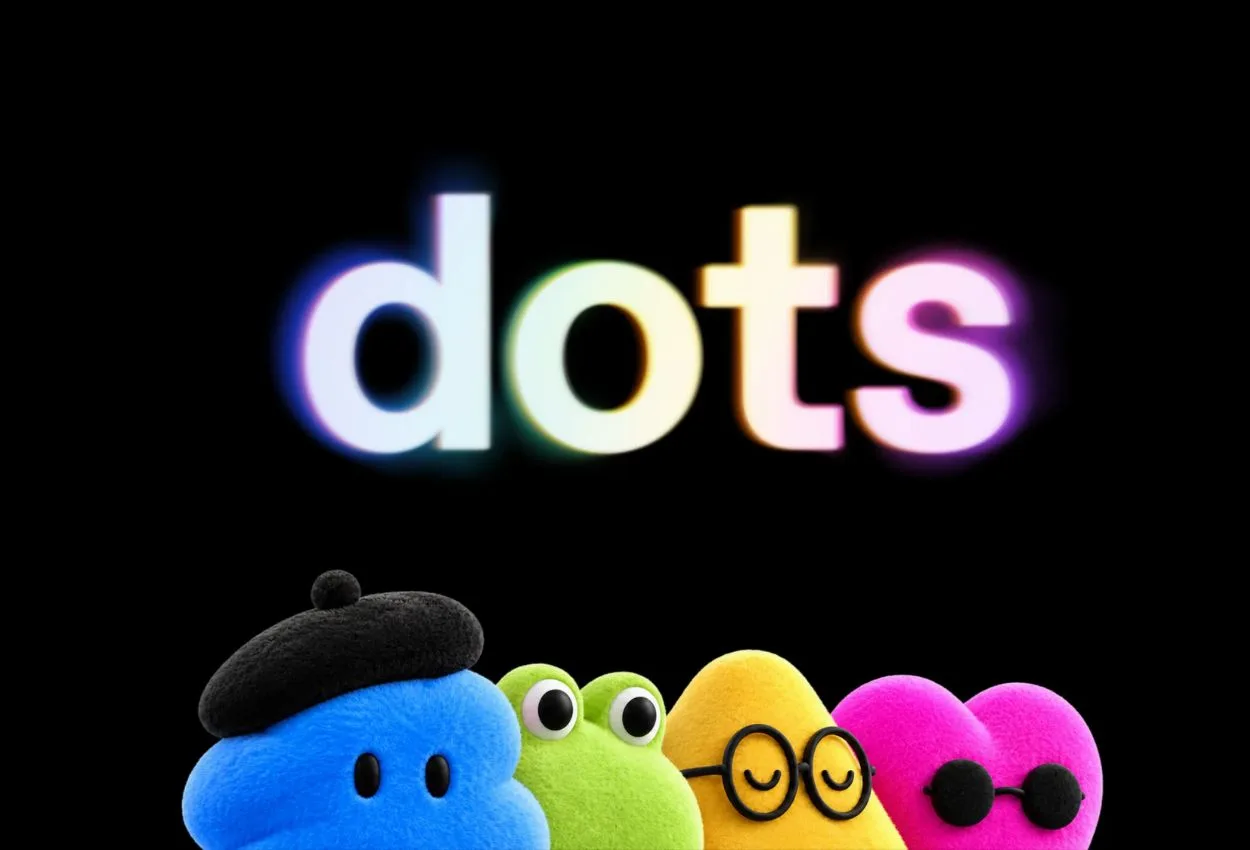
OpenAI has launched Dots, a new category of AI agent designed to work continuously on tasks and projects without requiring constant direction from the user. The product is rolling out today to Pro and Business Premium subscribers in eligible markets, with Enterprise users able to access a beta through their workspace administrator.
Each dot runs on its own cloud computer, has its own browser, and can connect to more than 4,000 apps through OpenAI’s plugin ecosystem.
The agents are powered by GPT-6 Astra and are built to carry context across platforms, including ChatGPT on desktop, web and mobile, as well as Slack and Teams, with SMS texting described as coming soon.
The core pitch is autonomy within guardrails. A dot learns a user’s goals, standards, and preferences over time, then acts on them proactively.
OpenAI describes one early-tester example where a dot noticed an unpaid invoice, prepared it, and sent it after the user approved. Inside OpenAI, the company says dots have been used to investigate bugs flagged in Slack, convert new designs into working apps, and coordinate planning cycles.
Users set which apps dots can access and can define custom rules for when the agent should act independently and when it needs approval.
Certain actions, such as changing a password, are reserved for the user and cannot be delegated. When not actively engaged, dots operate in what OpenAI calls “proactive research” mode, using read-only access to connected apps so they cannot send messages or alter content without instruction.
A separate tier, called specialist dots, is aimed at enterprise deployments. These are configured by companies with their own identity, credentials, and system access to handle defined responsibilities such as procurement, invoice processing, or customer support.
OpenAI is beginning with focused enterprise pilots and says its engineering teams will work directly with organisations to set the scope of each deployment. A partnership with Microsoft is underway to integrate specialist dots into Agent 365, allowing businesses to manage them through Microsoft’s existing governance tools.
Each user’s first dot is included with the Pro or Business Premium plan at no additional cost, with extended usage limits during the first month after launch. Conversations with a dot do not count toward standard ChatGPT usage limits, though tasks run through Codex or ChatGPT Work do.