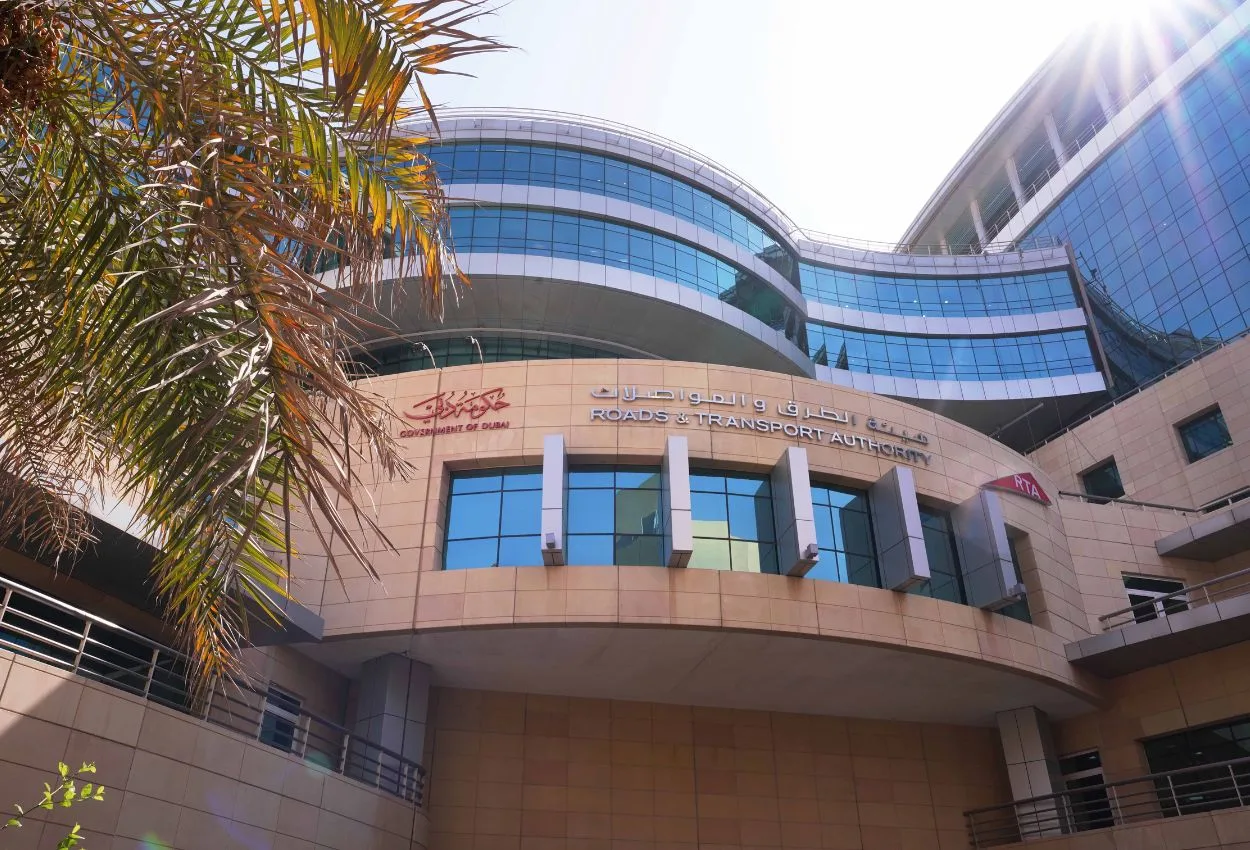
Dubai’s Roads and Transport Authority (RTA) said it will deploy a citywide vehicle-to-everything network that connects traffic signals directly to vehicles, part of a smart mobility programme aimed at easing congestion and improving road safety in the emirate.
The system, branded V2X, is scheduled to cover about 620 signalised intersections and traffic lights with full rollout targeted between 2027 and 2028, according to local reports.
It will transmit real-time information from traffic infrastructure to the dashboards of connected vehicles for the first time in Dubai, according to the authority.
Dubai RTA to deploy vehicle-to-everything network across 620 intersections by 2028
The platform is designed to feed drivers with live signal phase and timing, including remaining green-light duration, red-light countdowns, and the status of upcoming intersections. It will also deliver recommended crossing speeds, congestion alerts, detours, closures and incident notifications. Later phases are planned to add vehicle-to-vehicle messaging that can warn of slowdowns or obstacles ahead.
RTA said the capability will be integrated into the Dubai Intelligent Traffic Systems Centre, where artificial intelligence and digital twin technologies will support adaptive signal operations and help optimise flows across the city’s road network.
The digital twin environment will allow engineers to simulate scenarios, analyse intersections and test operating decisions before they are applied on the ground.
Coordination is under way with global carmakers so that new vehicles sold in the emirate can include built-in connectivity for the service, the authority said.
Owners of existing cars are expected to access data through add-on devices or via Apple CarPlay and Android Auto applications, which would mirror live roadway information on in-car screens while reducing the need to consult mobile phones.
“The main goal is is to reduce driver distraction from mobile phones by integrating all essential traffic information into the vehicle dashboard, thereby improving safety and preventing accidents,” Salahuddin Al Marzooqi, Director of Intelligent Traffic Systems at RTA’s Traffic and Roads Department said.
The network will be supported by AI-enabled roadside sensors and computer vision analytics to monitor vehicles, pedestrians and cyclists in real time.
These inputs are intended to enable instant adjustments to improve safety and throughout at intersections, while providing the authority with a richer picture of conditions across the network.
Citywide V2X smart traffic system to reduce congestion
RTA said core infrastructure is expected to be completed within two years, followed by integration with automotive partners and pilot testing before full deployment in 2027 to 2028.
The authority did not disclose the expected investment or vendors, and did not specify whether the communications layer will use cellular V2X, dedicated short-range communications or a hybrid approach.
Dubai has made intelligent transport a policy priority as Gulf governments invest in smart-city infrastructure. The emirate operates a fully automated metro, has expanded cycling infrastructure and has set a target for a quarter of all trips to be autonomous by 2030 under its Smart Self-Driving Transport Strategy.
Officials see connected-signal technology as a foundation for broader cooperative systems that can support assisted and autonomous driving.
Adoption of the V2X service will depend on automaker integration and the availability of reliable aftermarket devices for older vehicles. RTA said the platform has been designed to support multimodal mobility and two-way data exchange between vehicles and connected infrastructure, part of a gradual move toward cooperative traffic management.
If delivered on schedule, the programme would place Dubai among a small number of cities pursuing large-scale, signal-to-vehicle communication as part of everyday traffic operations in the Middle East.